Here's what the loop actually is: not a communication problem, but a pattern with its own anatomy. Each of you is protecting something, usually something old, usually something neither of you has said out loud. The fight about the dishwasher was never about the dishwasher. Until the pattern itself is on the table, changing topics just gives the loop new material.
Conflict is my research subject
Before I was a psychotherapist, I completed a doctorate in conflict resolution: how escalation works, why reasonable people get entrenched, and what actually makes de-escalation possible. In the therapy room, that combines with CBT and schema-informed work: we map your specific loop, find what each of you is defending (these old protective patterns have a name in schema therapy, and putting it on the table is often the moment couples stop blaming each other), and practise the exits in session, in real time, not as homework theory.
Repair after real damage
Some couples arrive after something specific: an affair, a period of addiction, years of distance that calcified while careers and children took the foreground. Repair is possible more often than people expect, but it's work with a structure; trust rebuilds through predictability, not promises. And where addiction has been part of the story, I bring clinical experience from residential recovery settings: the relationship needs its own recovery programme, and it rarely gets one.
Questions people ask
Do both of us have to attend?
Ideally yes, and couples sessions are structured so neither of you is ganged up on; that's a foundational rule. But if your partner won't come, don't wait: individual work on your side of the pattern changes the pattern. Systems shift when one person moves.
Can you help if the damage involves addiction?
This is a particular focus of mine. I've worked clinically in residential recovery settings, and I work with couples rebuilding after treatment: the trust repair, the role changes, the strange grief of recovery itself. The relationship needs its own recovery, separate from the sobriety.
What does a doctorate in conflict resolution add?
Conflict has an anatomy: escalation patterns, positions versus interests, the moves that make de-escalation possible. My doctoral research was in exactly this. Combined with CBT's tools for the individual patterns each partner brings, it means we work on the loop itself, not just the topics you fight about.
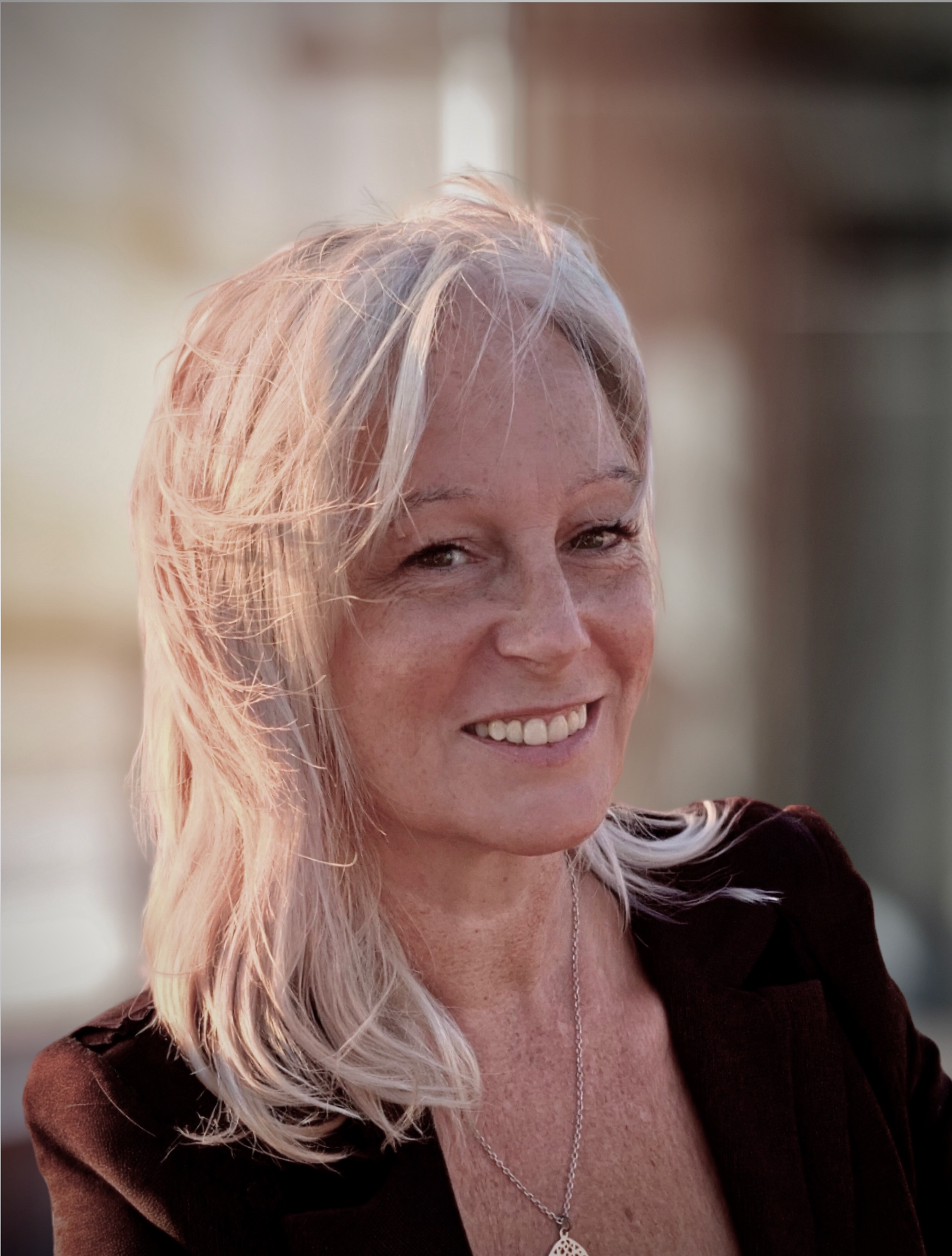
Clinical experience in private residential recovery centres, including Geneva and Marbella. A limited number of clients, so every person gets continuous, unhurried care.